Building date: 1848
Original use:
Corner structures:
Mortar application and content: Vertical, slight embellishment; Vertical pyramids
Types and uses of stones:
Types and choice of windows:
Structures with similar masonry details:
Masons who worked on building:
Unique features:
Map views courtesy Google Maps. Address is Google Earth confirmed; 43°20'57.62"N 78°36'54.27"W. Current owner of record, Terroir Development LLC/Somerset Operating Co. LLC as of the 2019 Tax Roll.
The Roudabush Survey stated the address as 7749 Lake Rd.; however, the correct published address is 7449 Lake Rd..
Town of Somerset and Niagara County Maps
SOM-2 Gow & Som-3 Van Wagoner: These houses are about a mile apart and are both built on the same architectural plan. The one on Hossmer Road Extension has a second story addition added over the porch, and the original door has a vestibule added, making it look like a door in a bay window. Roudabush Survey page 74
"The Cobblestone Houses of Upstate New York", compiled by Dorothy Wells Pease. Research done in collaboration with Hazel B. Jeffery, supplemented with material furnished by Carl F. Schmidt. Reference paragraph seven in page 10.
This house at 7449 Lake Road, was built upon a large farm three miles west of Somerset Corners was built about 1848 by Jeptha W. Babcock. The Babcock family is of English descent and the American Branch was founded by James Babcock who emigrated from Essex, England.
Jeptha Babcock was a farmer, the first postmaster in the western section of the town, Supervisor of the Town of Somerset, and a New York State Assemblyman. He was a respected citizen, a Friend (or Quaker) in religious belief, and in politics, a Whig and Republican. A man of firmness and decision, Mr. Babcock never left a stone unturned to accomplish his purpose after having resolved upon a course of action.
Jeptha was born in 1806 in Rensselaerville, Albany County, New York. In November 1829 he married Mary Hoag, a Dutchess County native. Jeptha and Mary moved to Niagara County in 1833. They had four children: Isaac H., Henry H., Mary Jane, and Sarah Elizabeth.
In 1865 Jeptha and Mary moved to Lockport, NY. Mary died in 1869 and Jeptha on October 21, 1883. The obituary in the Lockport Daily Journal, dated October 22, 1883, states "Mr. Babcock was prominently identified with the development of Niagara County."
The Babcock Homestead was later owned by other families. Each one preserved the architecturally unique house. It is now owned by Somerset Operating Company.
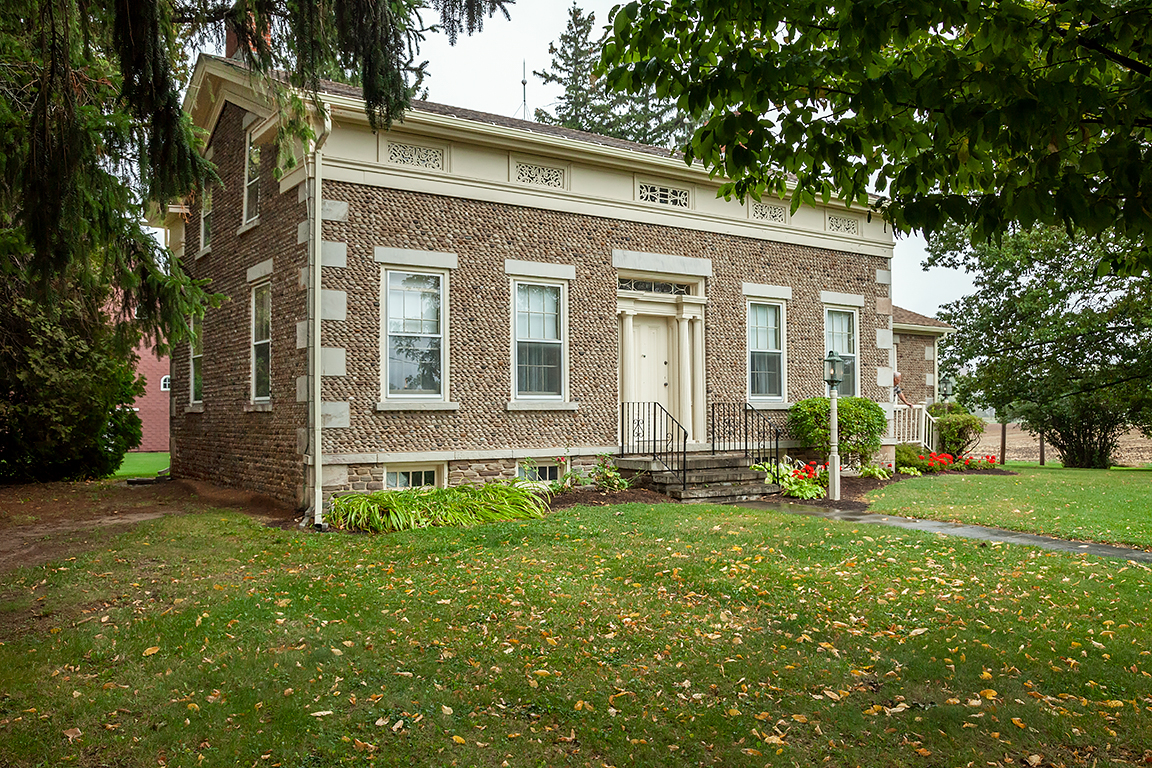
This beautiful Greek Revival style home is a two story house of the middle-late period. The cobblestone era divides itself into three periods, early - from 1825-35, middle - through 1845, and the late period which includes all structures erected through the 1860's. The Civil War seemed to have ended the cobblestone construction as only a few were built after 1866.
For travelers beyond Upstate New York, cobblestone houses have the appeal of the unusual. Few people realize here was developed a type of masonry of unique beauty and interest. With but a few exceptions, this type of masonry wall is not found elsewhere in our country.
Building these houses was a slow process. A good mason could lay up about three courses of stone, on one side, in one day. This represents about nine inches of wall. They would have two or three houses under construction at once, allowing time for the mortar to set and harden as they worked on the next.
New York State Electric & Gas Corp. acquired the Babcock house August 23, 1982 as part of the property for the new 625 megawatt electric generating plant that was under construction near the shore of Lake Ontario. That year they replaced the roof to make the house weather tight. In 1983 extensive restoration work actually began. NYSEG worked very closely with several leading authorities on historically significant buildings and their restoration. They did as suggested and in many ways, more than was requested.
The bread oven is an interesting feature of the restored home. As workmen were engaged in doing necessary repairs, they came upon a partially constructed brick oven. Pictures were taken, and bricks and mortar were sent to Genesee Country Museum at Mumford, N.Y. With these photographs and fragments, historians were able to create a drawing of what the bread oven was probably like in its original condition. From this research the oven was reconstructed in the restored kitchen.
Wrought iron fixtures acquired from an artisan in Massachusetts are handcrafted replicas of authentic 19th century pieces. Light fixtures that resemble candles adorn the dining room and other areas of the home. Craftsmen covered their wires in such a manner that no wiring is exposed. Wax was dripped to give the resemblance of candles that had run.
The woodwork is a specially prepared "wash" that produces the appearance of aged paint. The woodwork and cabinets are painted a pale gray. On the back of the house, a dirt floor storage shed was replaced with a family room, lavatory, and utility room.
The house is functional for our times, but most of the house was left as it was when Jeptha Babcock worked the soil and was one of the largest wheat growers in this section of the county. His son, Isaac, very well could have helped gather stones for the house.
Since May 1987, according to an agreement between NYSEG and the Town of Somerset Historical Society, the society has maintained and furnished the house. In 1999, AES Somerset purchased the Babcock House and has continued this agreement. It is the Welcome Center for the Town of Somerset [and home base for the Somerset NY Historical Society, Babcock House Museum, 7449 Lake Road], open during the summer and early fall.
By Lorraine G. Wayner, Somerset Town Historian, May 1988. Courtesy Cobblestone Museum.
Editor's Note: The version above of the history included in the Babcock House Museum pamphlet information (date unknown) matches a typed document in the Cobblestone Museum archives. It differs in several instances from two Babcock House Museum pamphlets, July 2000 and unknown date (Courtesy Cobblestone Museum). Because of the lack of document dates, the historical timeline is confused. All of the documents are attributed to Lorriane Wayne 1988, Somerset Town Historian at the time, but have been published with a few edits over time without providing a revision date.
"Somerset's Cobblestone House", by Lisa Knight, Somerset field editor. Editor's Note: Attribution is incomplete because the published source is not known.
Babcock House First and Second Floor Plans.
First floor plan and Second floor plan, 5/12/1983, existing condition, by N.Y.S.E.G. (New York State Electric and Gas).
Visitor Handout, Facts about Babcock House Museum.
Babcock House Tour script. Editor's Note: This document was not dated; therefore, it may not represent the current organization and content within the Babcock House.
The Cobblestone Society & Museum Tour of Cobblestone Homes, 09/28/2019. See photographs below from that event.
- "Cobblestone Masonry", 1966, Carl Schmidt: Name reference, Babcock - Sprague House
- Page 85
- "Cobblestone Landmarks of New York State", 1978, by Olaf William Shelgren, Jr., Cary Lattin, and Robert W. Frasch, Photographs by Gerda Peterich: Name reference, Babcock House
- Page 76
- "The Era of Cobblestone Architecture", unpublished manuscript 1972. To access the manuscript content about this structure, see 55. Niagara County, Babcock-Sprague House.
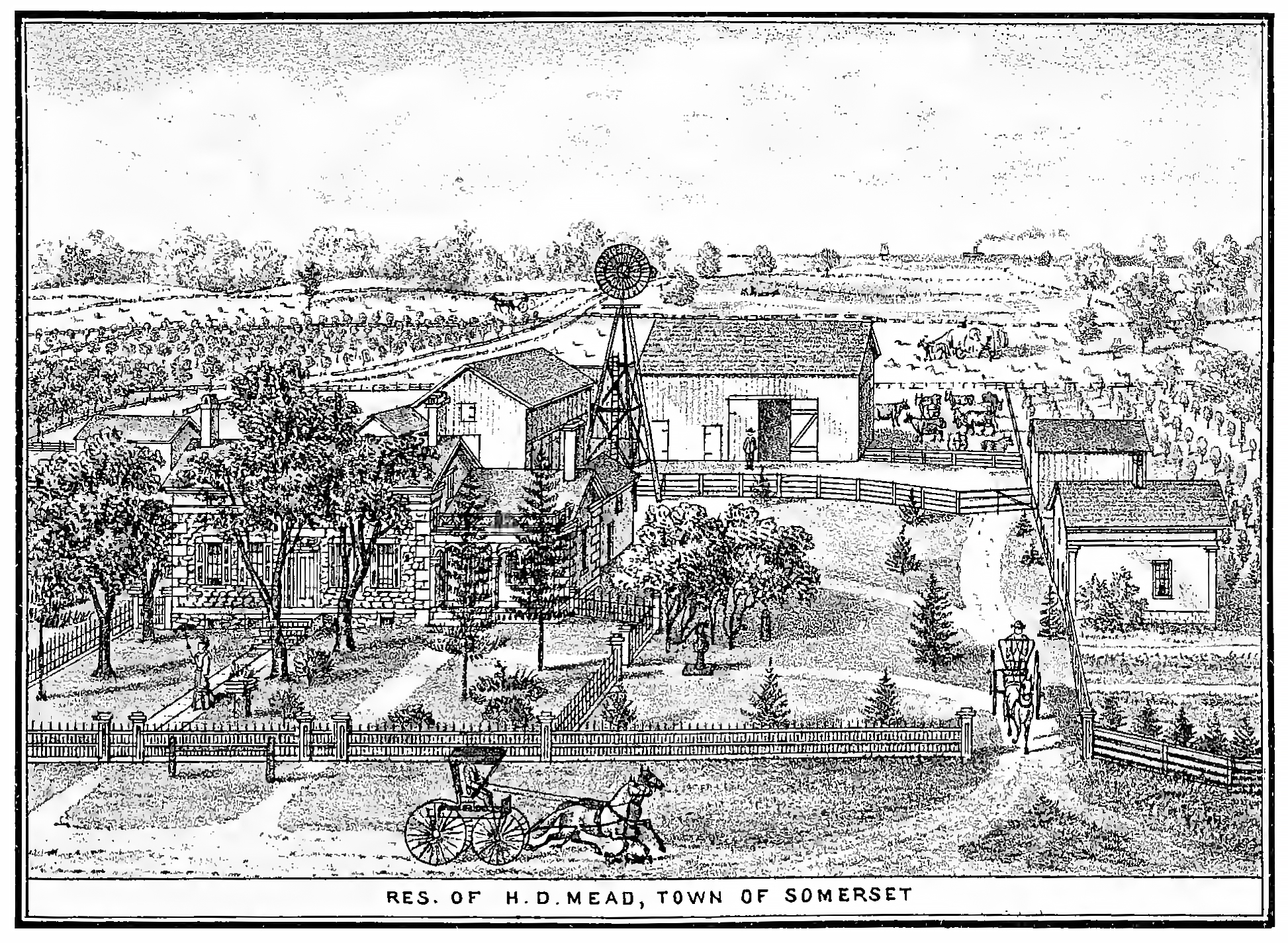 Som-2 Gow 5 H D Mead House.jpg ¹ | 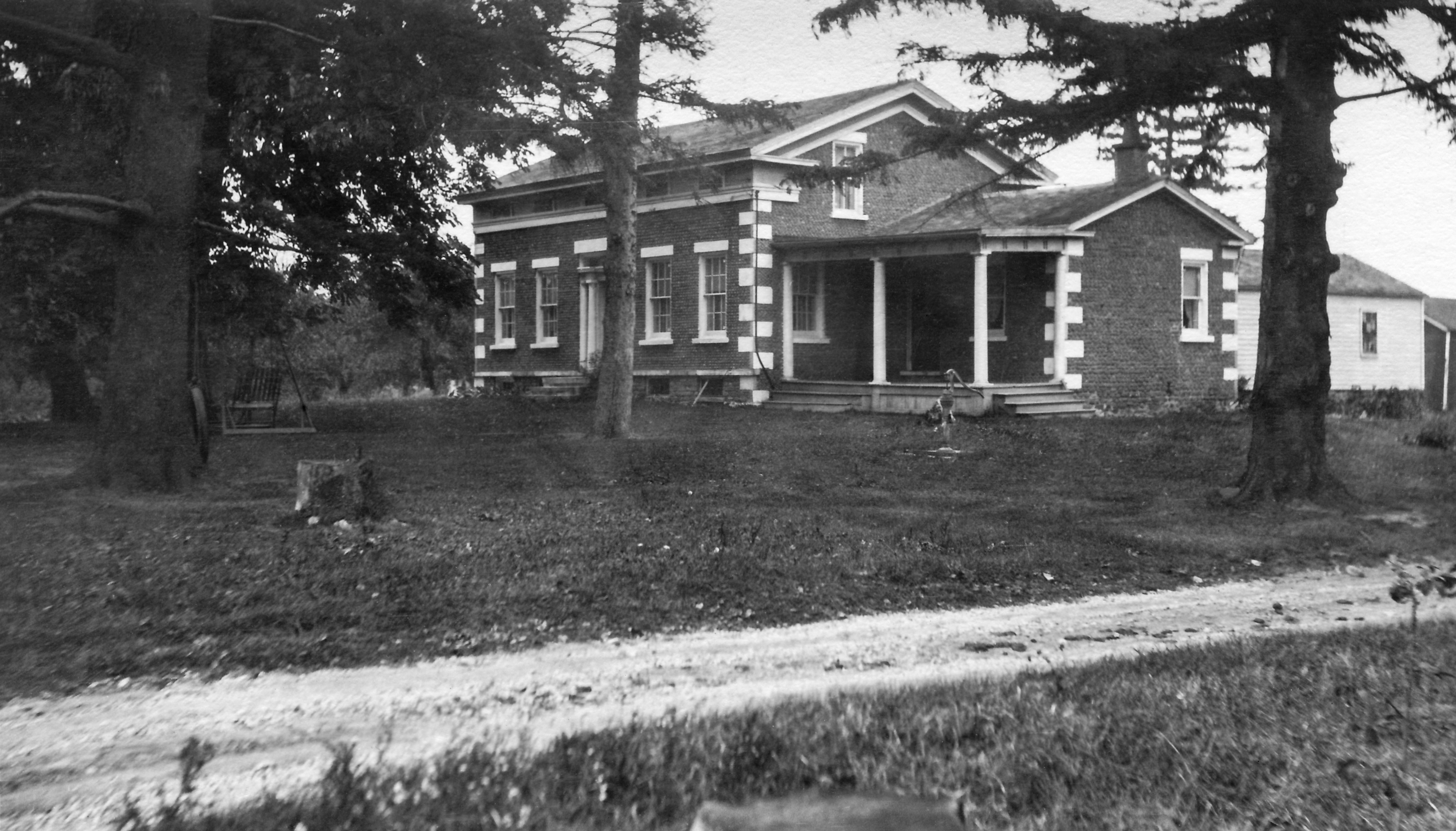 Som-2 Gow 1.jpg ² Charles Hopkins collection 1930 | 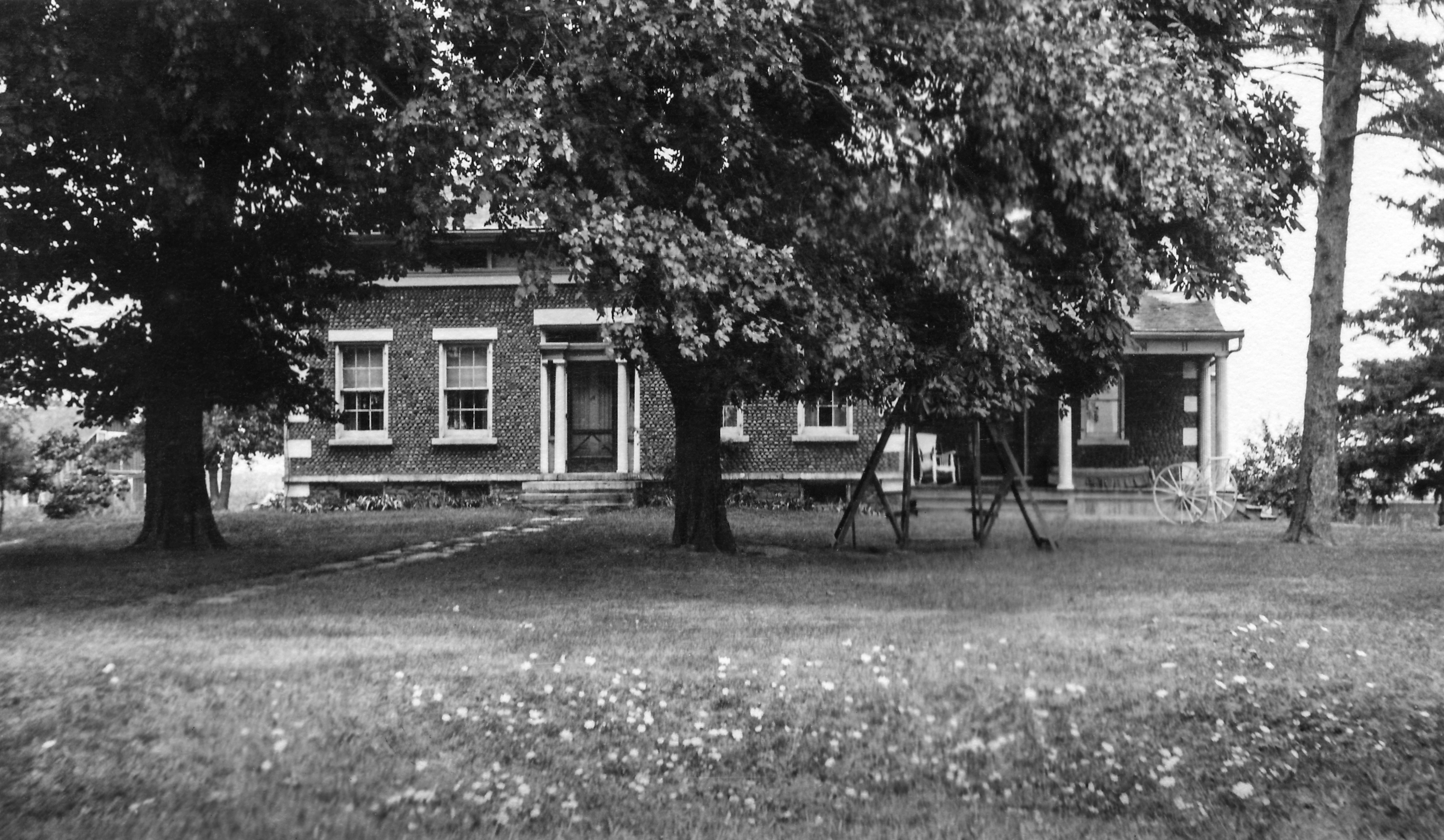 Som-2 Gow 2.jpg ² Charles Hopkins collection 1934 | 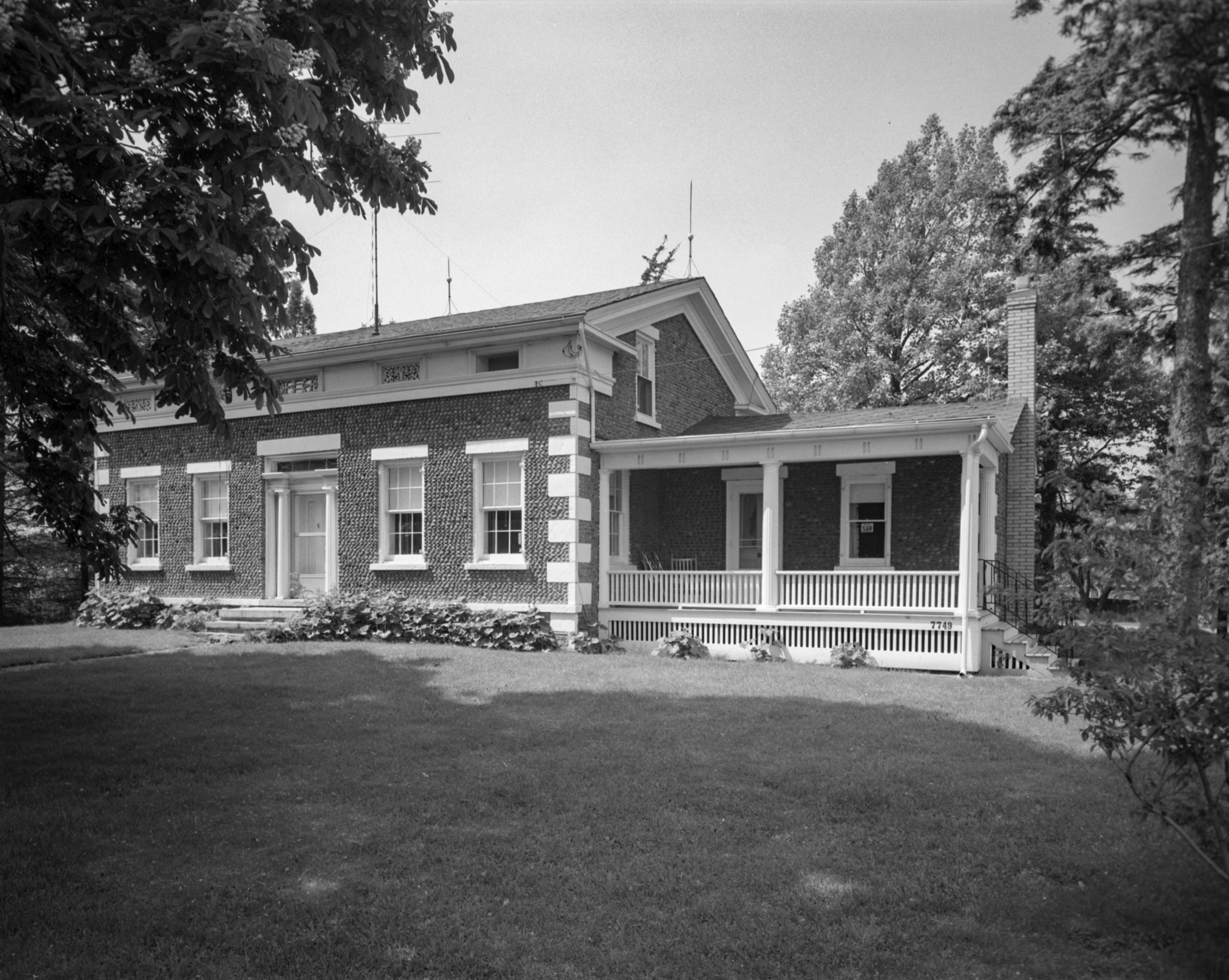 GP Niagara Somerset Som-2_1 N.jpg³ |
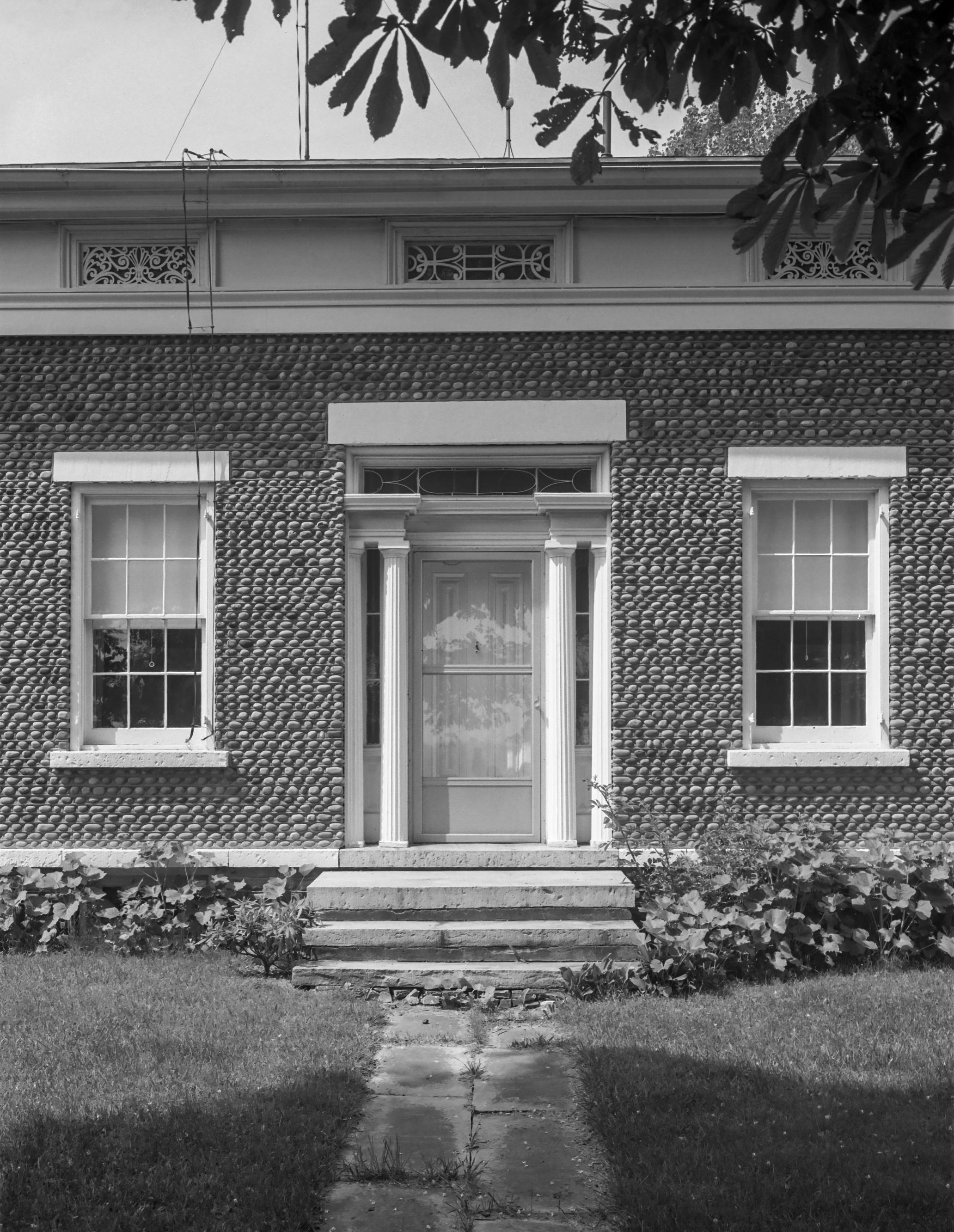 GP Niagara Somerset Som-2_3 N.jpg ³ | 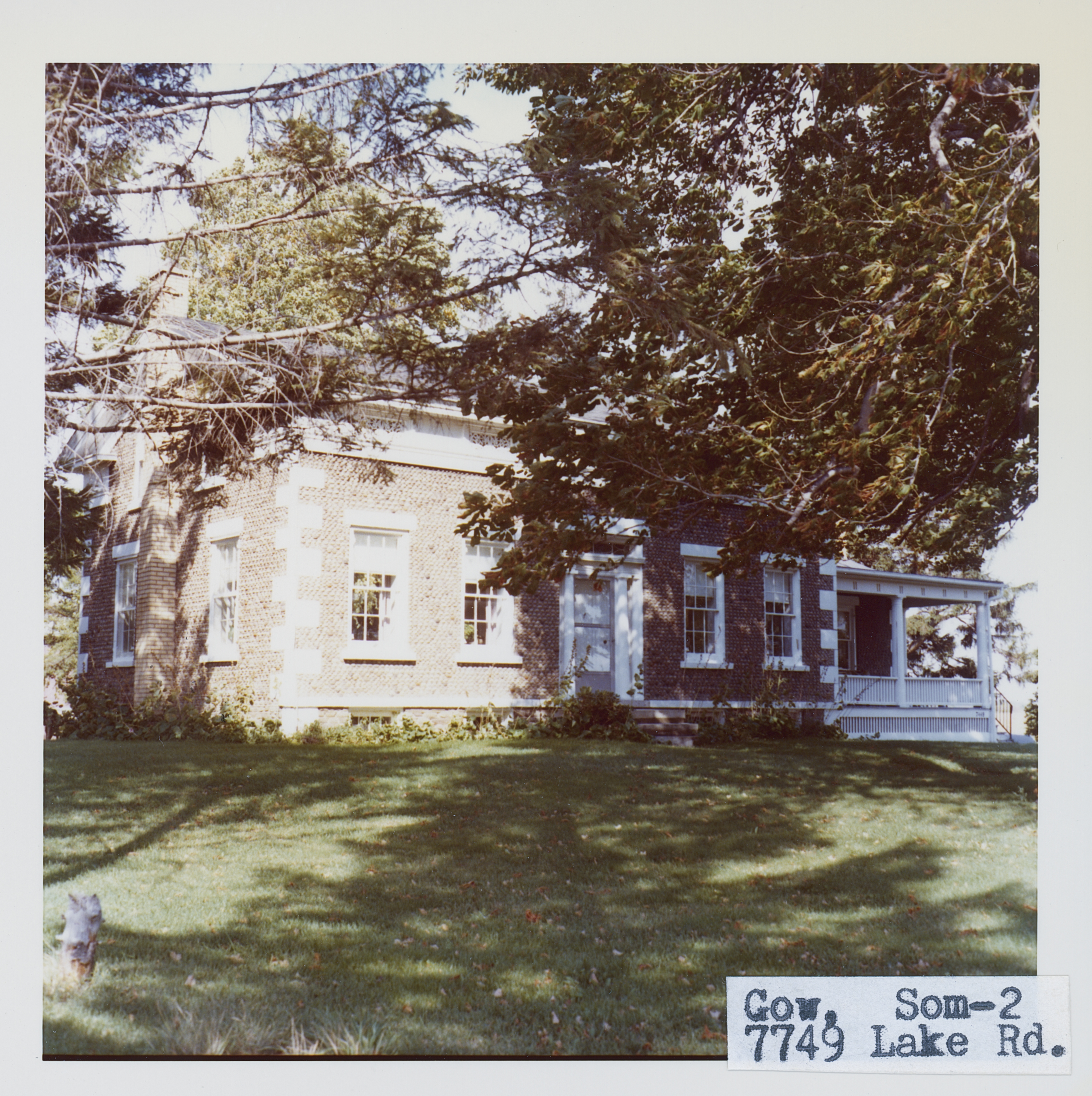 Som_2_1.jpg | 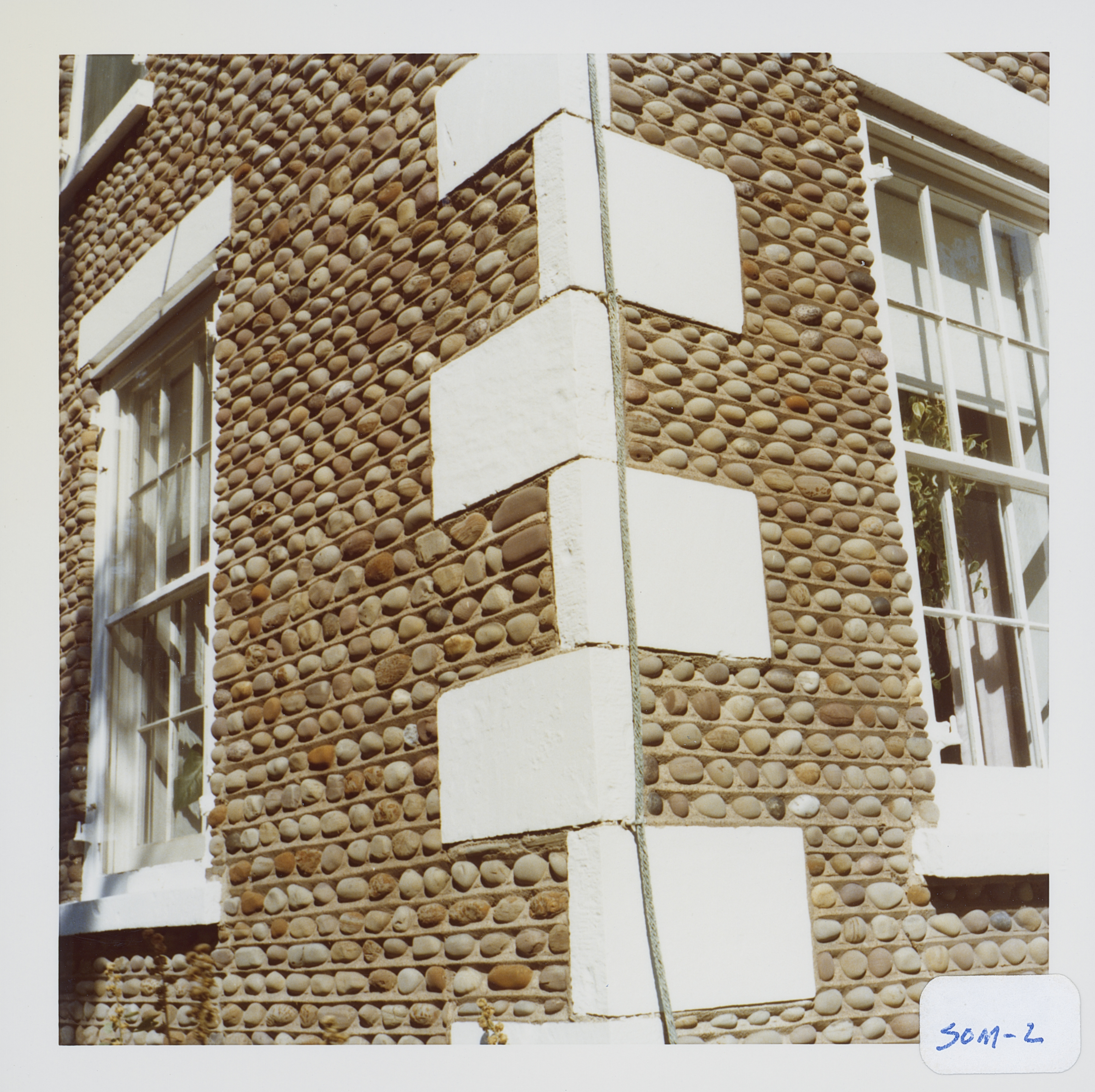 Som_2_2.jpg | 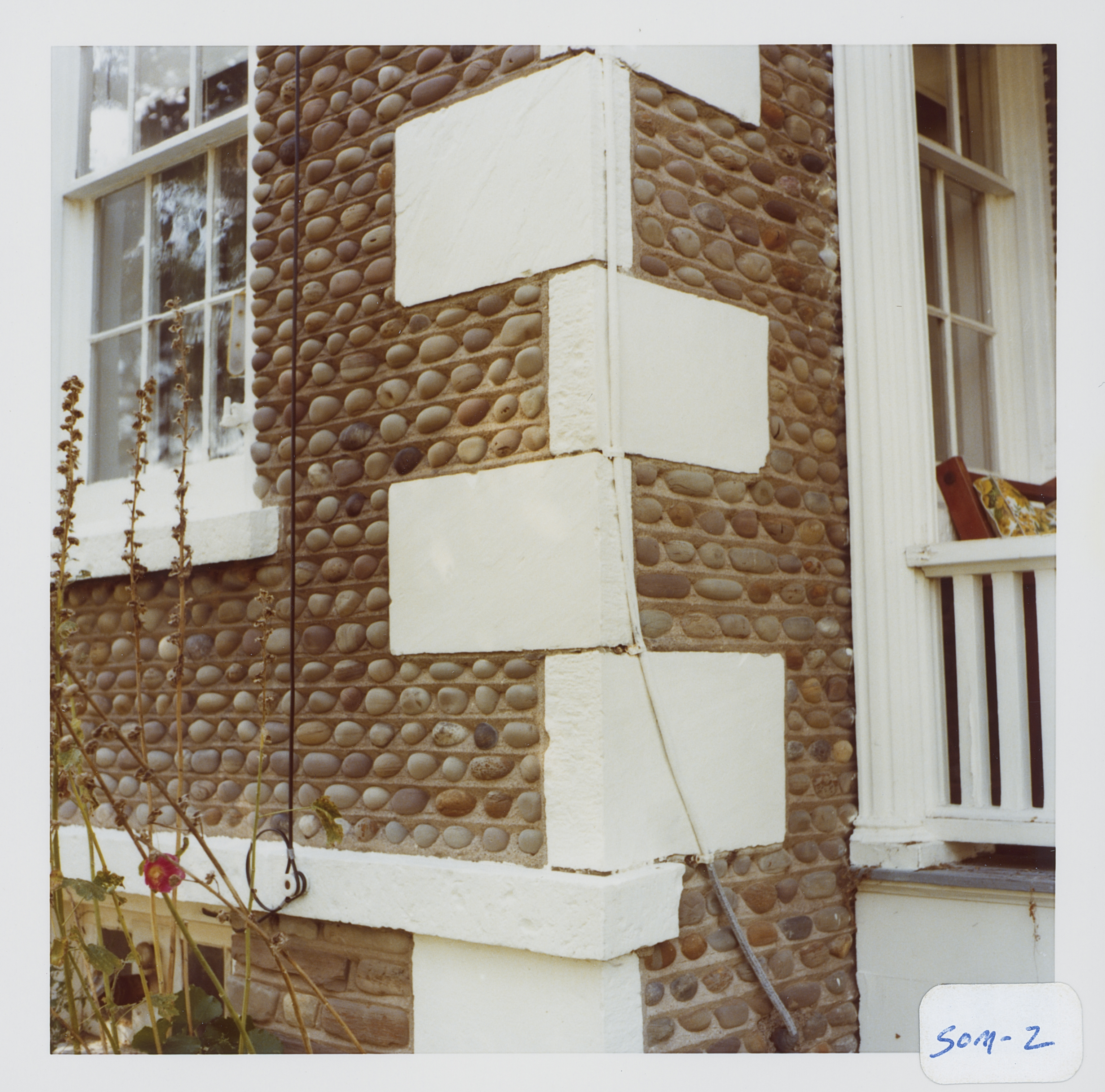 Som_2_3.jpg |
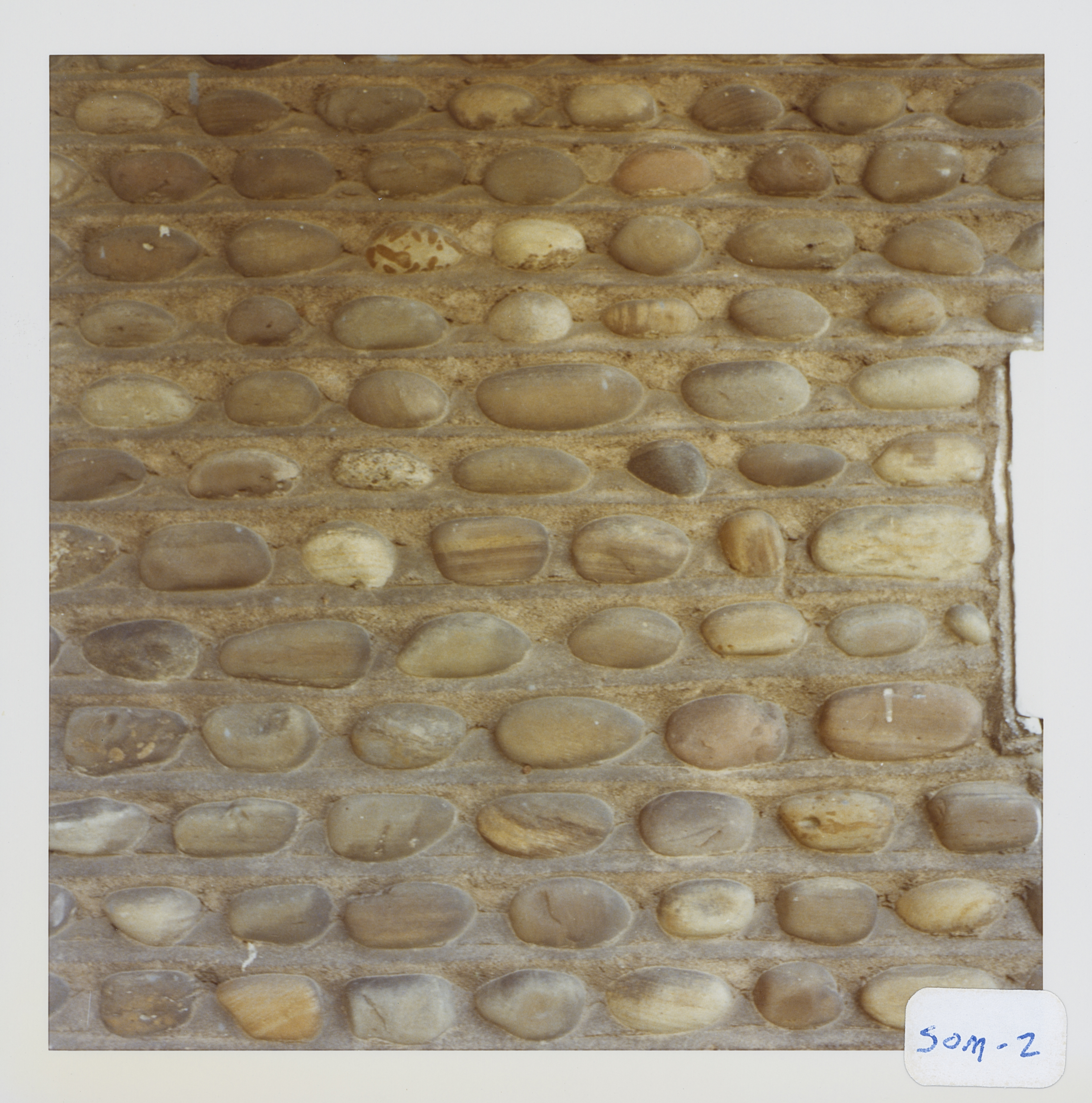 Som_2_4.jpg | 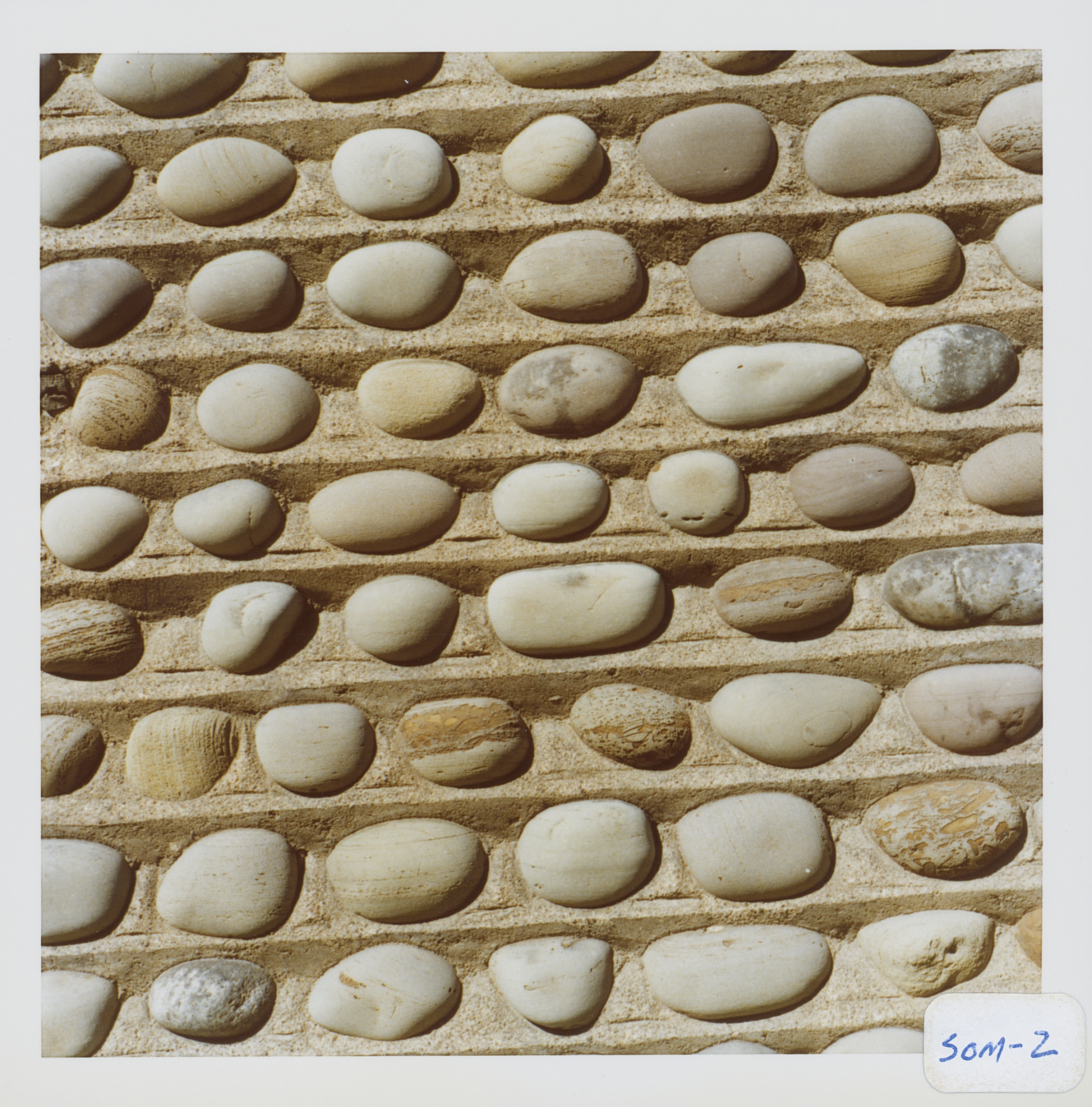 Som_2_5.jpg | 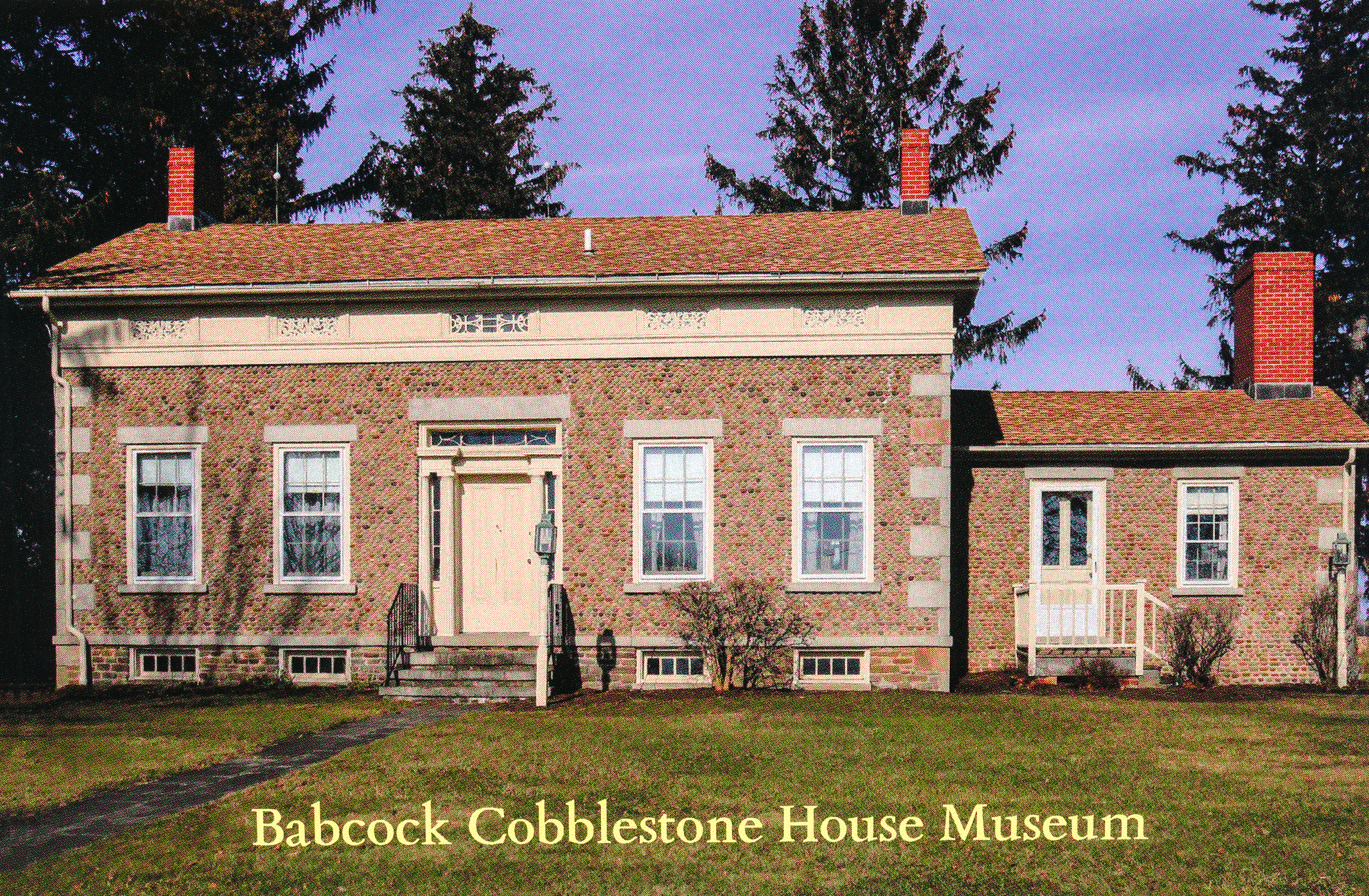 Som-2 Gow 3.jpg ² Babcock Cobblestone House Museum postcard. | 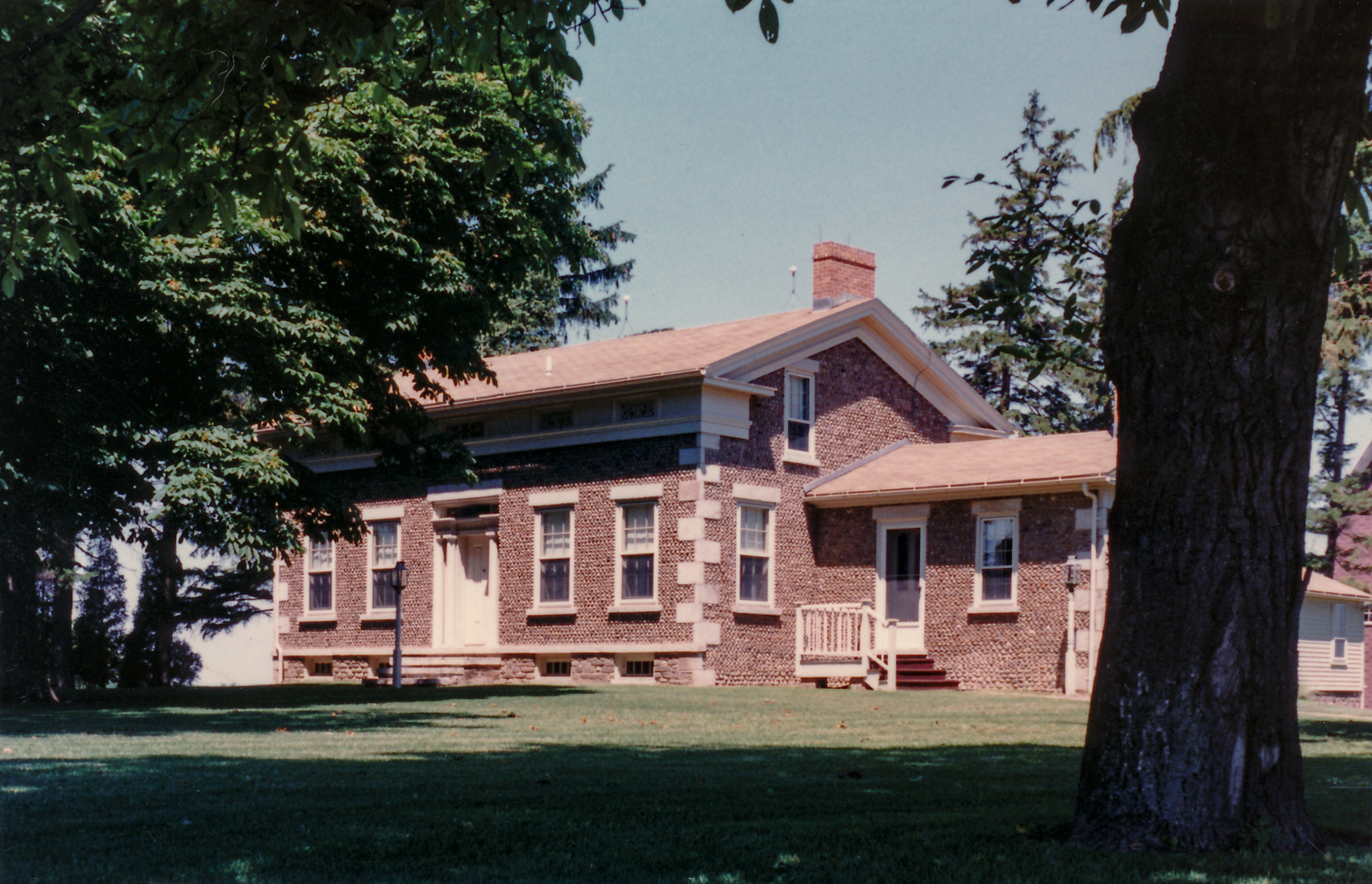 Som-2 Gow 4.jpg ² |
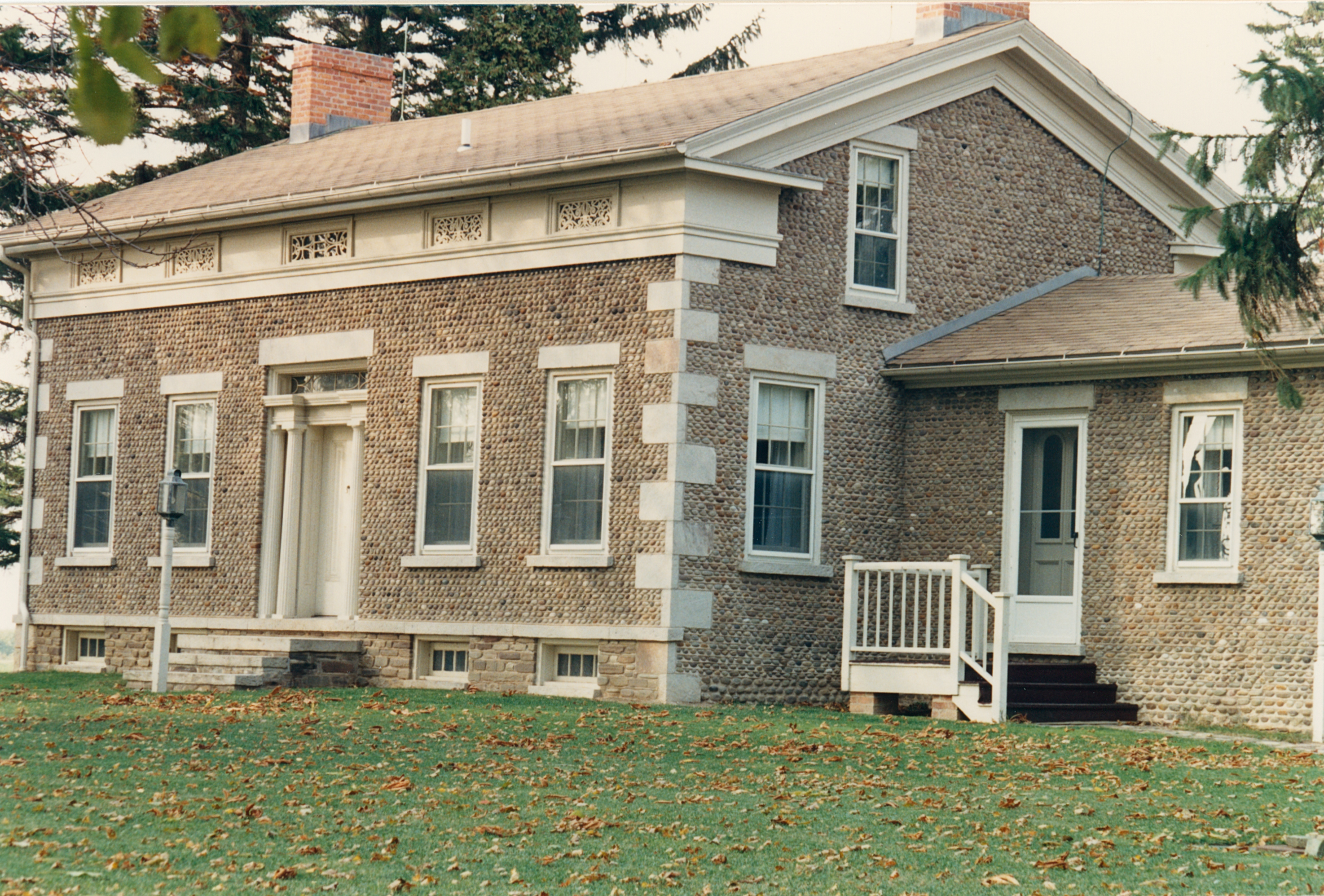 Som-2 7449 Lake Rd 1.jpg 4 | 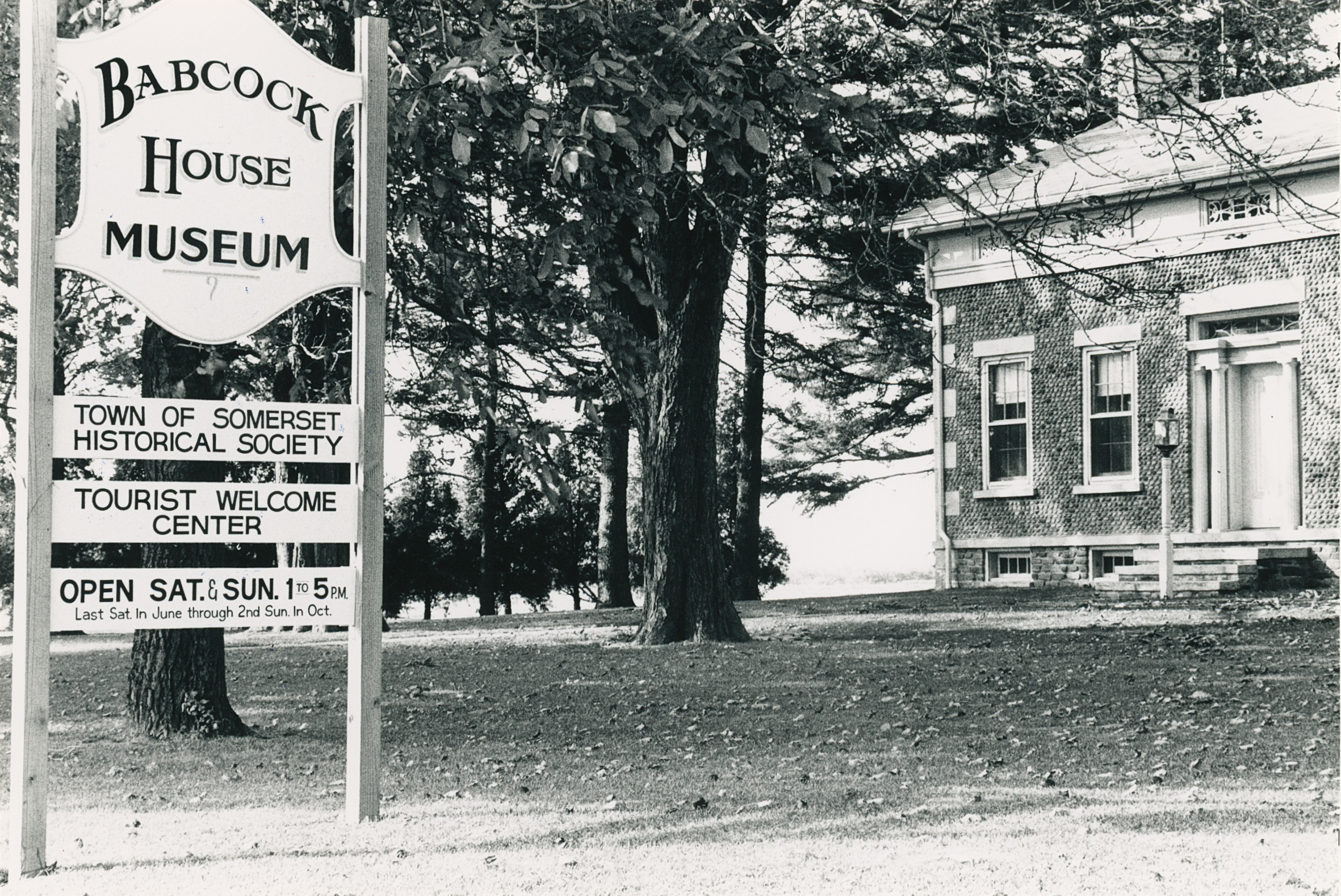 Som-2 7449 Lake Rd 2.jpg 4 | 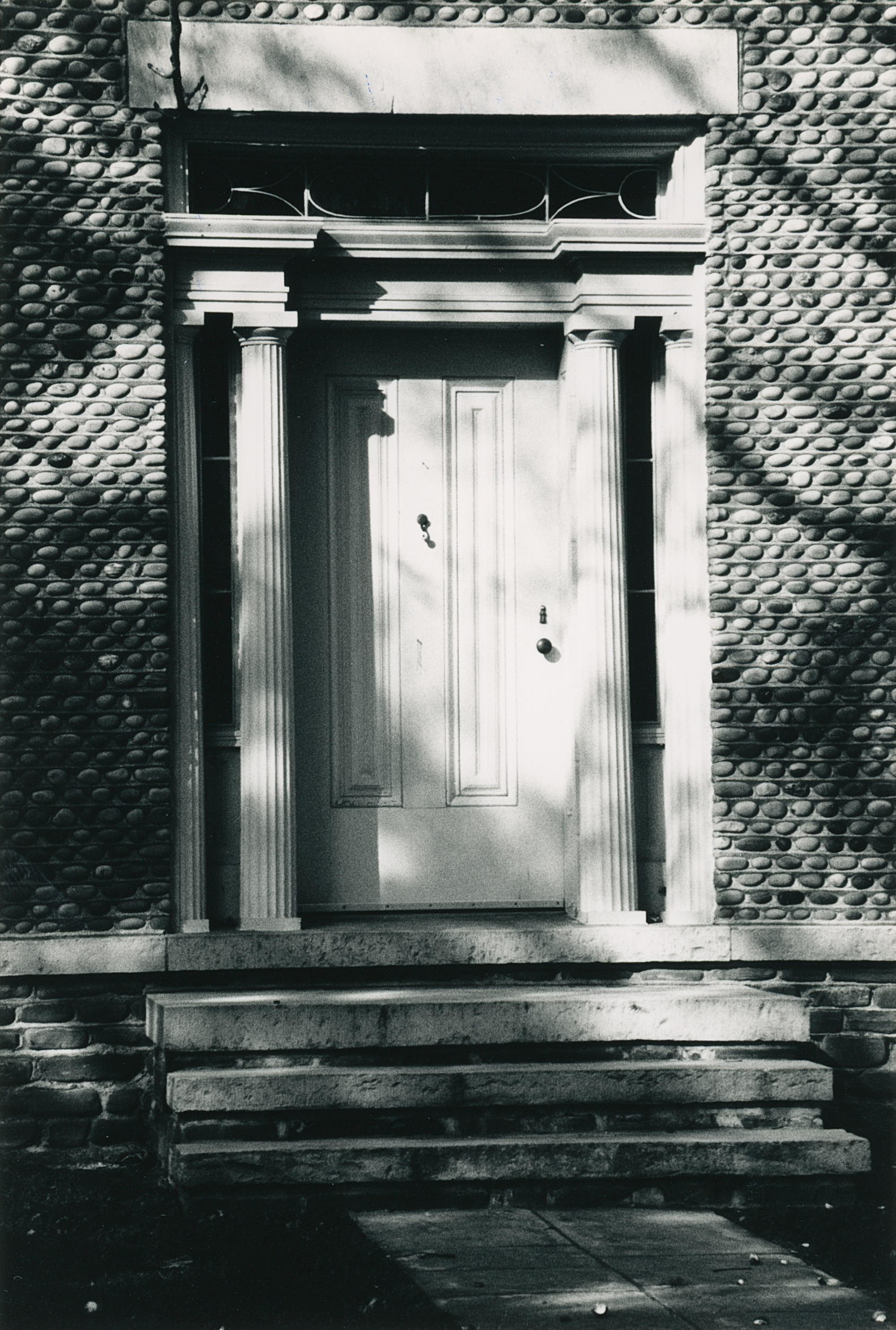 Som-2 7449 Lake Rd 3.jpg 4 | 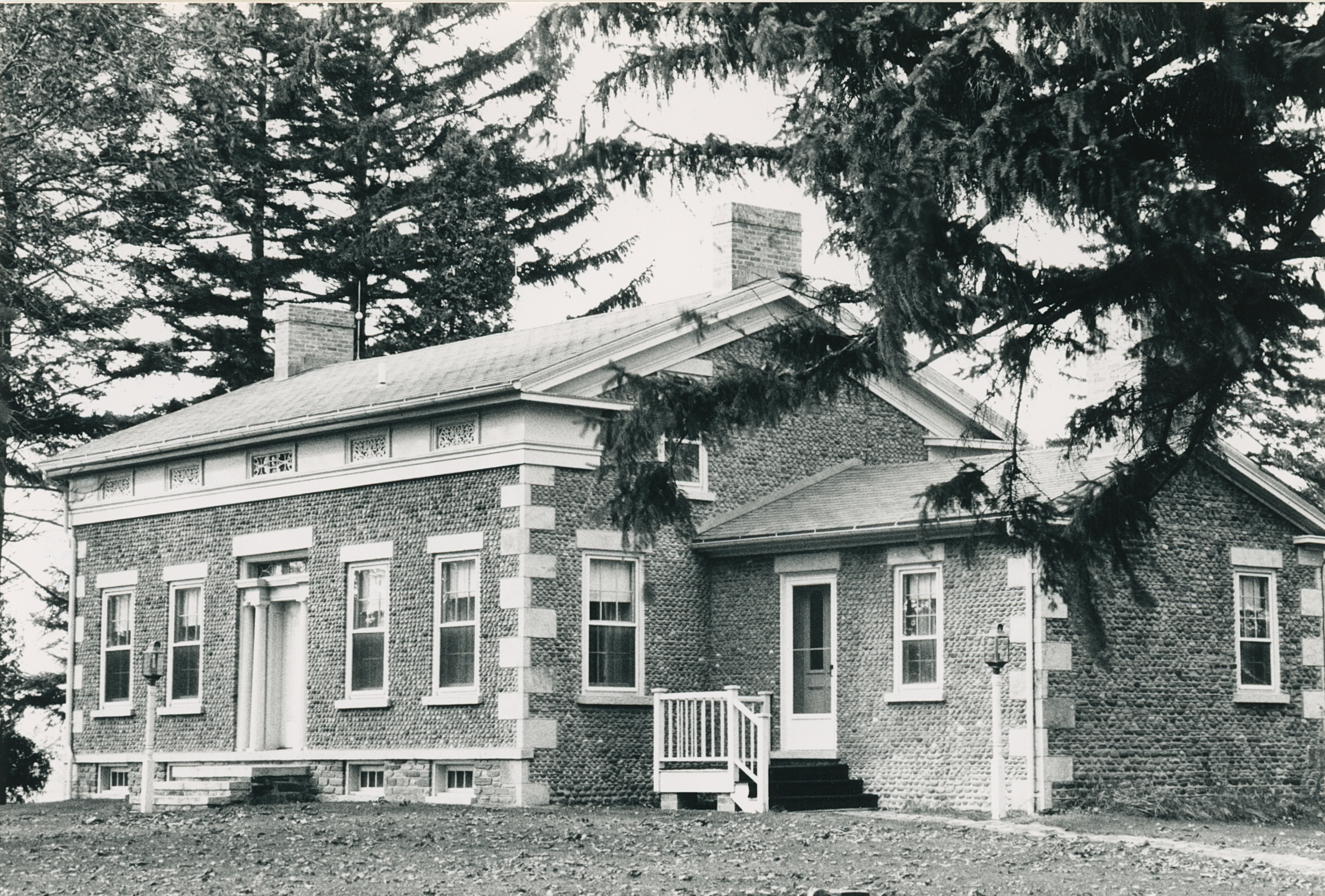 Som-2 7449 Lake Rd 4.jpg 4 |
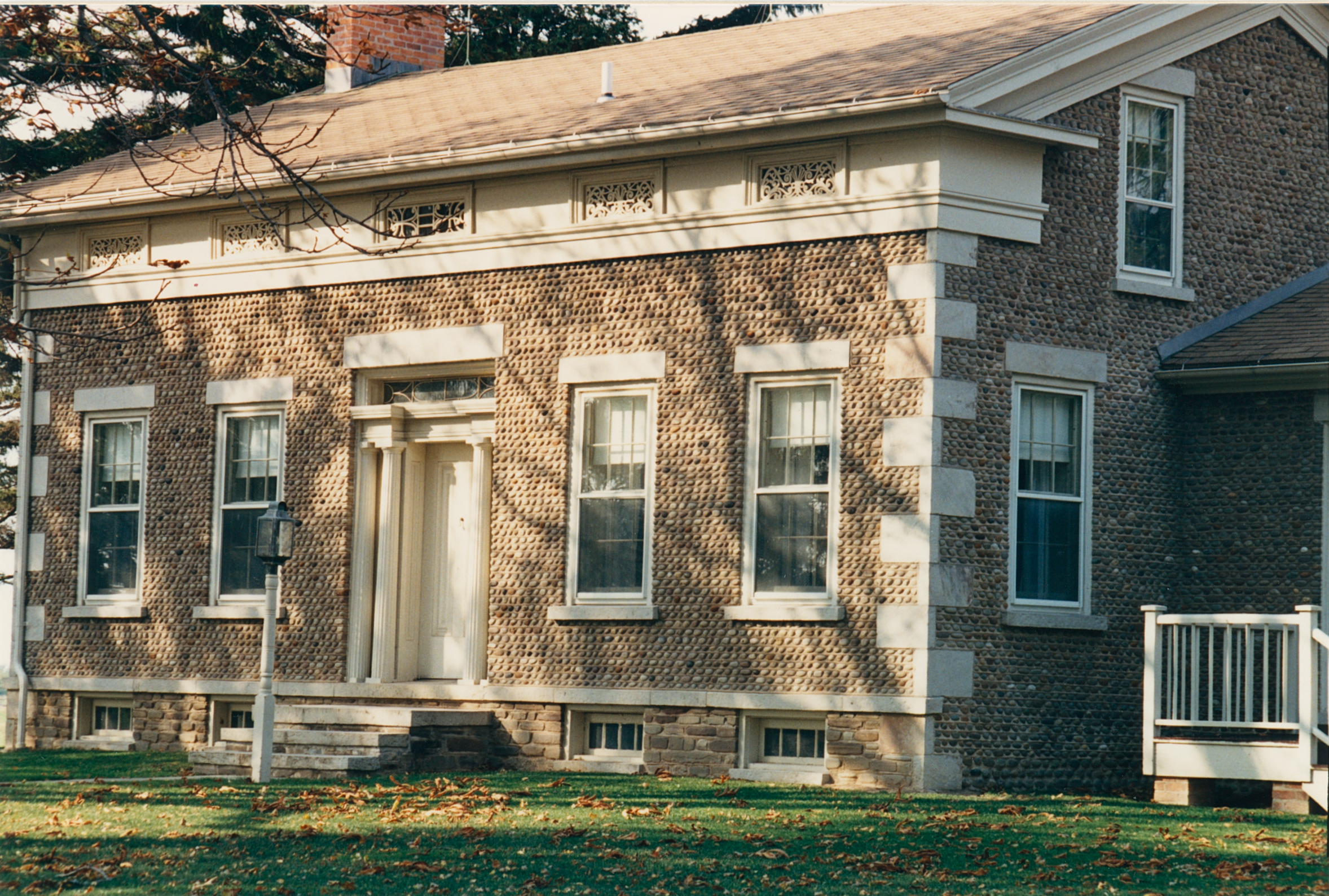 Som-2 7449 Lake Rd 5.jpg 4 | 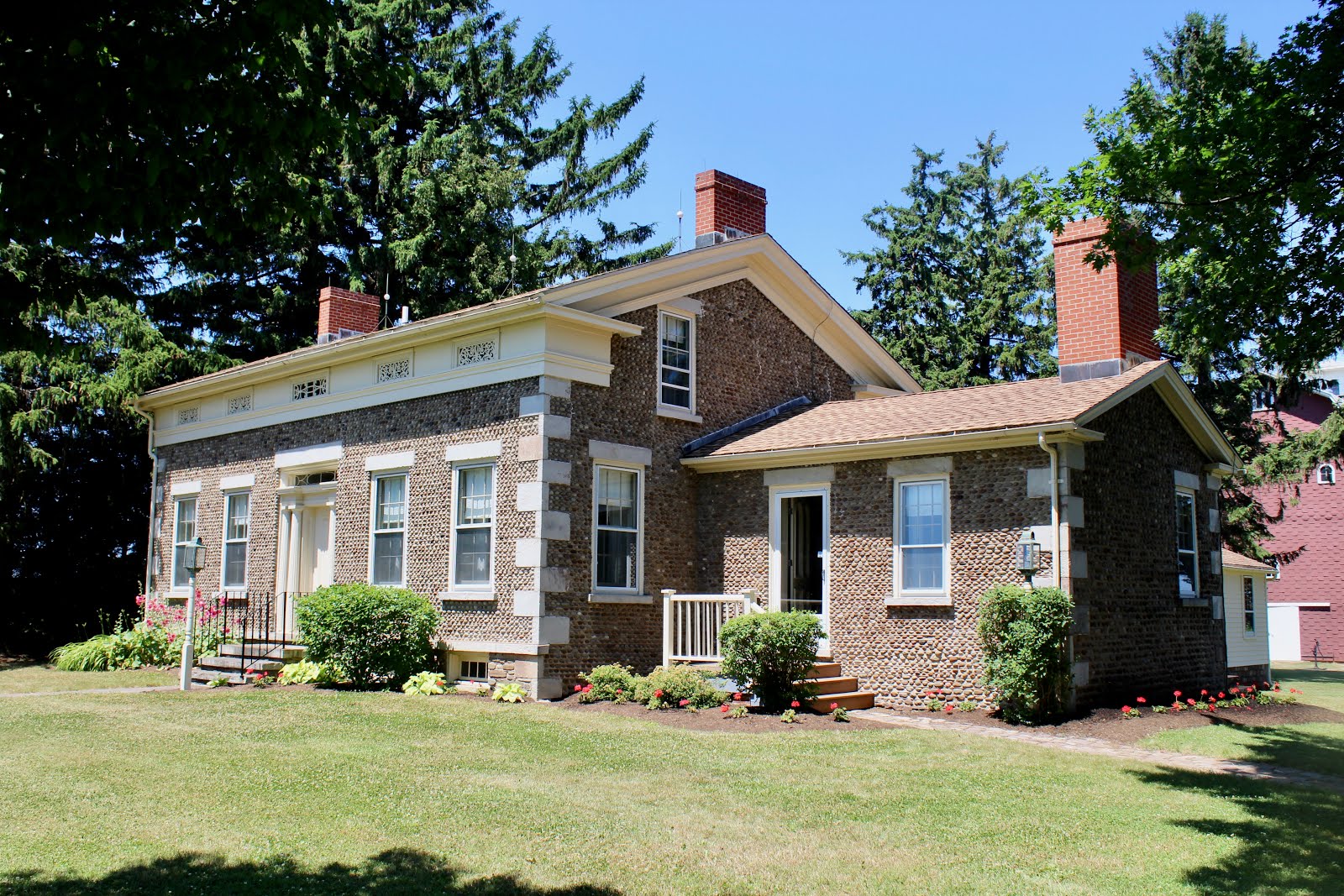 Somerset 7749 Lake Road.jpg ² | 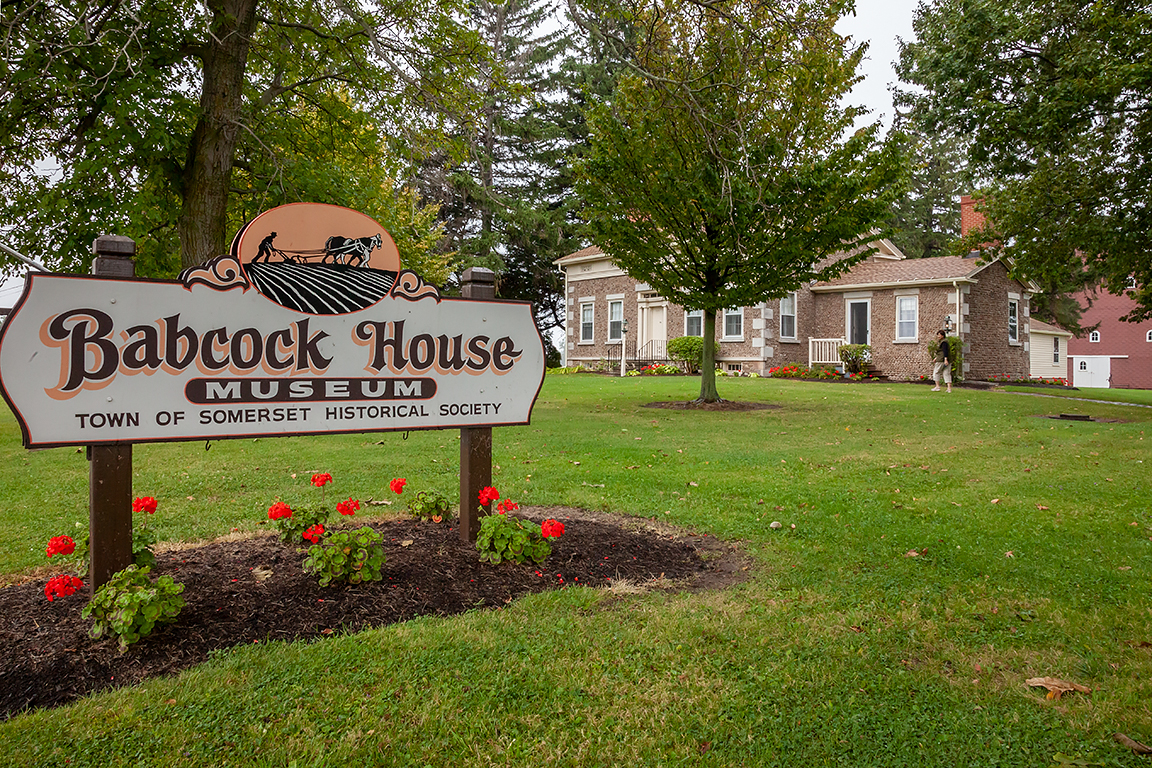 Cobblestone Tour Som-2 190928_0309.jpg 5 | 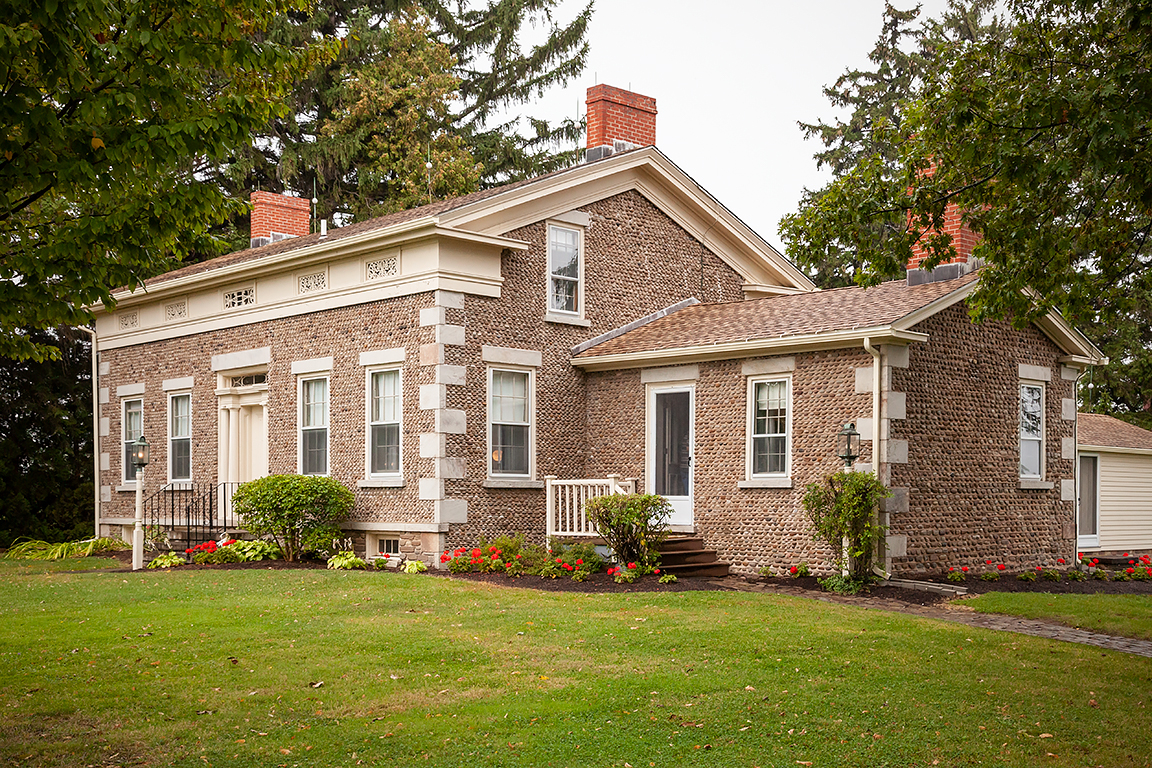 Cobblestone Tour Som-2 190928_0310.jpg 6 |
 Cobblestone Tour Som-2 190928_0311.jpg 6 | 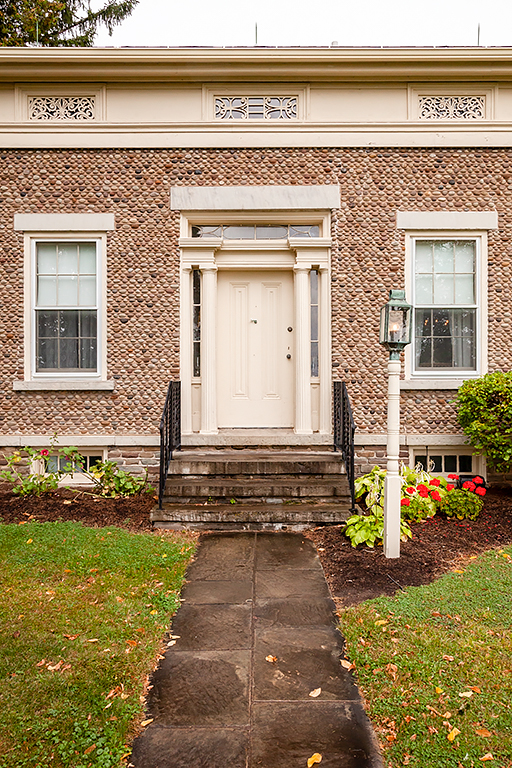 Cobblestone Tour Som-2 190928_0312.jpg 6 | 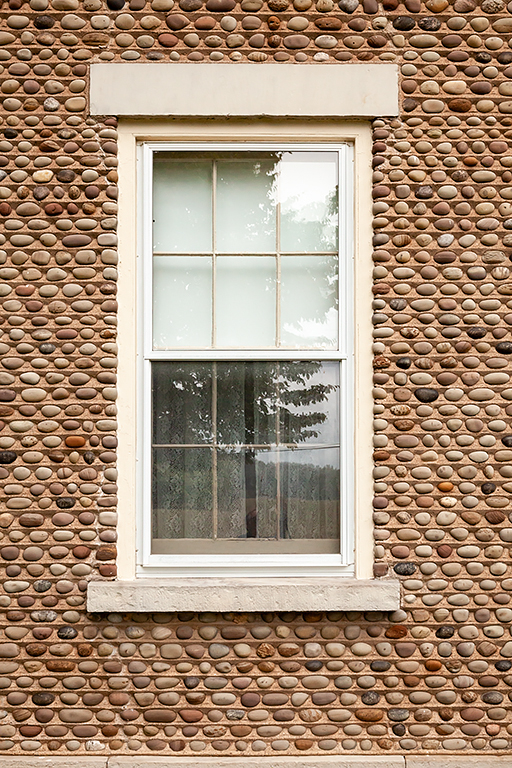 Cobblestone Tour Som-2 190928_0315.jpg 6 | 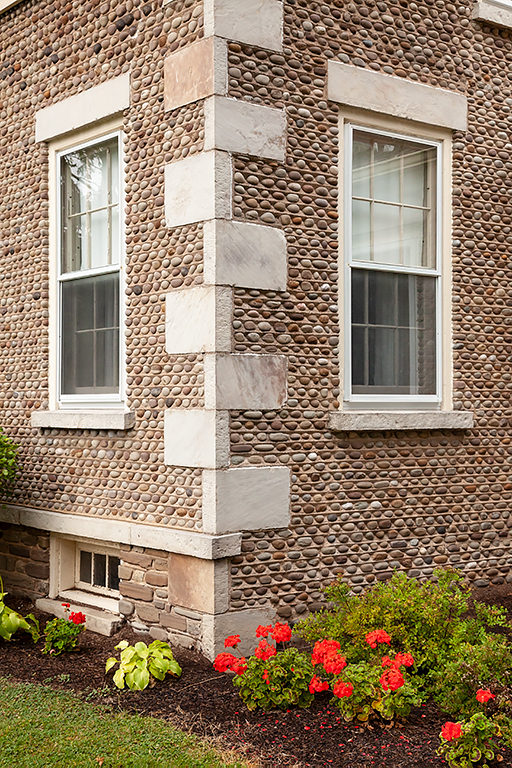 Cobblestone Tour Som-2 190928_0316.jpg 6 |
¹ Image courtesy History of Niagara County, page 356, Sanford & Co., New York 1878.
² Image courtesy Cobblestone Museum.
³ Photography courtesy Gerda Peterich. Cobblestone Museum.
4 Photography courtesy Martin and Sheila Wolfish.
5 Photography courtesy Richard Palmer.
6 Photography courtesy Gregory Lawrence.
